The Short Answer
It's not too late. Starting martial arts at 30, 40, or 50 is far more common than most people assume — walk into almost any adult Jiu-Jitsu or kickboxing class and you'll find accountants, engineers, parents, and retirees training next to people half their age.
You will progress differently than a 19-year-old. You'll recover more slowly and you'll need to be smarter about how you train. But adult beginners bring real advantages that young athletes don't have, and the benefits — fitness, confidence, stress relief, and a community — arguably matter more at 45 than at 20.
Here's what changes with age, what doesn't, and how to start in a way that keeps you on the mat for years.
The Fears That Keep Adults Off the Mat
Almost every adult beginner walks in carrying the same worries. Let's address them directly.
"I'm too out of shape to start." Classes are designed for beginners, and nobody expects you to be fit on day one. Getting in shape is a result of training, not a prerequisite for it. Waiting until you're fit enough is the most common reason people never start.
"I'll get hurt." Contact sports carry real risk, and pretending otherwise would be dishonest. But most injuries among adult beginners come from ego — refusing to tap, sparring too hard too soon, matching a 22-year-old's intensity. The rules later in this article prevent most of it.
"Everyone will be young and athletic." Some will be. Many won't. A good adult class is a mix of ages and backgrounds, and experienced members remember being exactly where you are.
"I'm too old to ever get good." You'll get good at a different pace. Plenty of people who start in their 40s go on to earn black belts, compete in masters divisions, and become the most technical people in the room.
"I'll look stupid." For about a month, you'll feel awkward. Everyone does. Then you won't.
What Adult Beginners Have Going for Them
Young athletes have fast recovery and fearlessness. Adults have something more useful for learning a complex skill.
Patience. Adults understand that skills take years. They don't quit when progress is slow, which is when most young people drop out.
Consistency. Adults with settled schedules show up on the same days every week. That rhythm drives progress far more than athleticism does.
Conceptual learning. Adults are excellent at understanding why a technique works — leverage, angles, timing. In technical arts like Jiu-Jitsu, that understanding compensates for a lot of raw physical ability.
Clear motivation. Most adults know exactly why they're there: stress relief, fitness, self-defense, or a challenge that has nothing to do with work. Knowing your why makes it much easier to keep going.
What Changes With Age (Honestly)
Recovery slows down. At 45, two hard sessions in a row may leave you feeling it for days. You'll need more rest between intense training and more attention to sleep.
Connective tissue adapts slowly. Muscles get stronger in weeks. Tendons and ligaments take months. This is why adult beginners who ramp up too fast often feel great for a month and then get hurt.
Mobility is usually reduced. Hips, shoulders, and upper backs tend to stiffen over decades of desk work. Martial arts will improve this, but it takes patience.
Old injuries come with you. That knee from college soccer or the shoulder from the gym doesn't disappear. Tell your coach, and modify around it.
None of these are reasons not to start. They're reasons to start smart.
Starting Martial Arts at 30
At 30, you can do almost anything. Your recovery is still good, your body adapts quickly, and you have a long runway ahead of you.
This is a great decade to build a broad foundation — grappling and striking — and to try competition if it interests you. Major Jiu-Jitsu tournaments, like those run by the IBJJF, have masters divisions starting at age 30, organized in five-year brackets so you compete against people your own age.
The main risk at 30 is believing you're still 20. Train hard, but take your rest days seriously.
Starting Martial Arts at 40
For many people, 40 is the sweet spot. Careers and families have settled enough to create a reliable training schedule, and the stress-relief benefits of martial arts are often exactly what a busy 40-something needs.
Starting martial arts at 40 means training a little more deliberately. Two to three classes a week is ideal for your first several months. Choose your training partners wisely, favor technique over intensity, and add a mobility session if you can.
Jiu-Jitsu is especially popular with people who start in their 40s because it rewards technique over athleticism and doesn't require being hit. Kickboxing and boxing are excellent too, particularly for people who want a demanding workout with pad and bag work, with sparring entirely optional.
A Jiu-Jitsu black belt typically takes around ten years of consistent training. Start at 40, and earning one in your early 50s is a realistic goal.
Starting Martial Arts at 50 and Beyond
Yes, 50 is still a great time to start — and so is 60. The priorities shift slightly: technique and drilling take center stage, live sparring is something you ease into (or skip), and recovery becomes part of the training plan rather than an afterthought.
The benefits at this age are hard to overstate. Martial arts trains balance, coordination, grip strength, mobility, and the ability to get up off the floor — capacities that matter more every year. It also gives you a community and something to look forward to several times a week.
If you have heart disease, high blood pressure, or a history of significant joint problems, check in with your doctor before starting, and tell your coach about any conditions on your first day.
Which Martial Art Is Best to Start Later in Life?
Any art taught well can work. Here's how the main options compare for adult beginners:
| Art | What to Expect |
|---|---|
| Jiu-Jitsu (BJJ) | Moderate and low-impact, with no strikes. Best for technique lovers, self-defense, and long-term progression. |
| Boxing / Kickboxing | Moderate to high intensity; you only get hit if you choose to spar. Best for conditioning, stress relief, and striking fundamentals. |
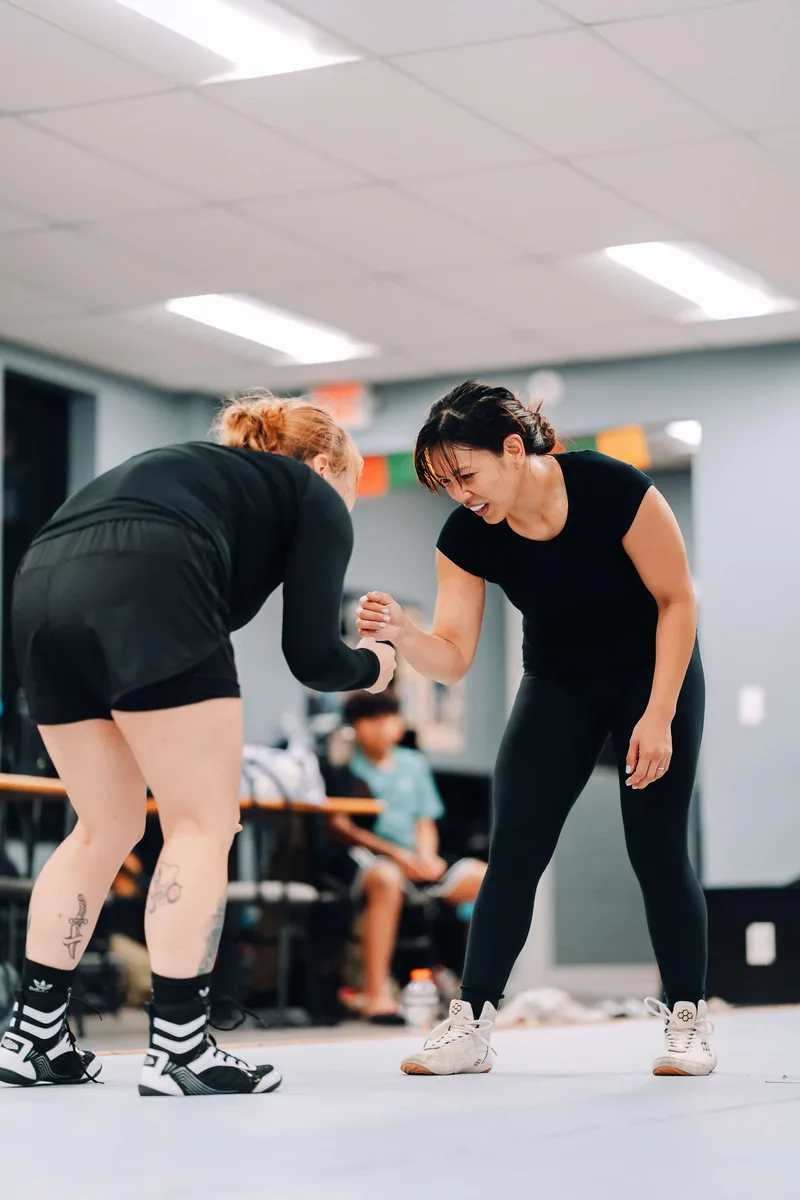
| Wrestling | High; one of the most demanding sports there is. Best for former athletes and people who love intense training. |
| MMA | High; combines everything, with sparring eventually. Best for people with some foundation who want the complete art. |
| Self-defense | Low to moderate. Best for practical skills without a sport focus. |
| Yoga (add-on) | Low. Best for mobility and recovery alongside any of the above. |
If you aren't sure where to start, our adult martial arts program is designed for exactly that: one membership covers Jiu-Jitsu, wrestling, boxing, kickboxing, and MMA, so you can try them all and choose based on experience instead of guesswork.
How to Start Without Getting Hurt
These rules keep adult beginners healthy, and they're worth taking seriously.
- Start at two classes a week. Give your tendons and joints time to adapt before adding more. You can increase after two or three months.
- Tap early, tap often. In Jiu-Jitsu, tapping is how you learn, not a defeat. The tap you're too proud to make is the injury you'll be nursing next month.
- Choose your partners. It's completely acceptable to roll with calm, experienced partners and skip the 23-year-old who goes 100% every round.
- Tell your coach about old injuries. Every good coach can modify techniques around a bad knee or shoulder.
- Warm up properly. Arrive a few minutes early and move. Cold joints are vulnerable joints.
- Treat sleep as training. Recovery is where adaptation happens, and adults need more of it.
- Add mobility work. Even one session a week helps. We explain why in yoga for martial artists.
- Leave your ego at the door. You're not training for next week. You're training for the version of you ten years from now.
What to Look For in a Gym
As an adult beginner, you want a school where:
- Classes fit your life — early mornings, lunchtime, or evenings.
- Beginners are welcome in regular classes, not just tolerated.
- The room has a range of ages, not exclusively young competitors.
- Live training is controlled, and sparring is optional in striking classes.
- Experienced members are patient with new people. Watch a class and see how they treat beginners. It tells you everything about the culture.
Our full checklist is in how to choose a martial arts gym.
What Your First Year Actually Looks Like
Month one: Everything is new and slightly overwhelming. You'll be sore in unexpected places and tired after every class. Show up anyway.
Months two to six: Your conditioning improves dramatically, you start recognizing techniques, and the gym starts to feel like your gym. If you train Jiu-Jitsu, you'll start surviving rounds instead of just enduring them. The fitness gains are substantial — we cover them in BJJ for fitness.
One year: You're noticeably fitter, more confident, and calmer under stress. You can help the brand-new person who just walked in. Most people at this point wonder why they waited so long.
Starting at Rising Tide
Our schedule is built for adults with jobs and families. Adult Jiu-Jitsu runs at 6:30 AM Monday, Wednesday, and Thursday and at noon Monday through Friday, plus evening classes and Saturday at 11:00 AM. Morning striking classes include Kickboxing on Monday and Wednesday at 9:00 AM, Boxing on Tuesday, Thursday, and Friday at 9:00 AM, and Kickboxing on Saturday at 10:00 AM. Sunday yoga at 9:00 AM is the perfect recovery session.
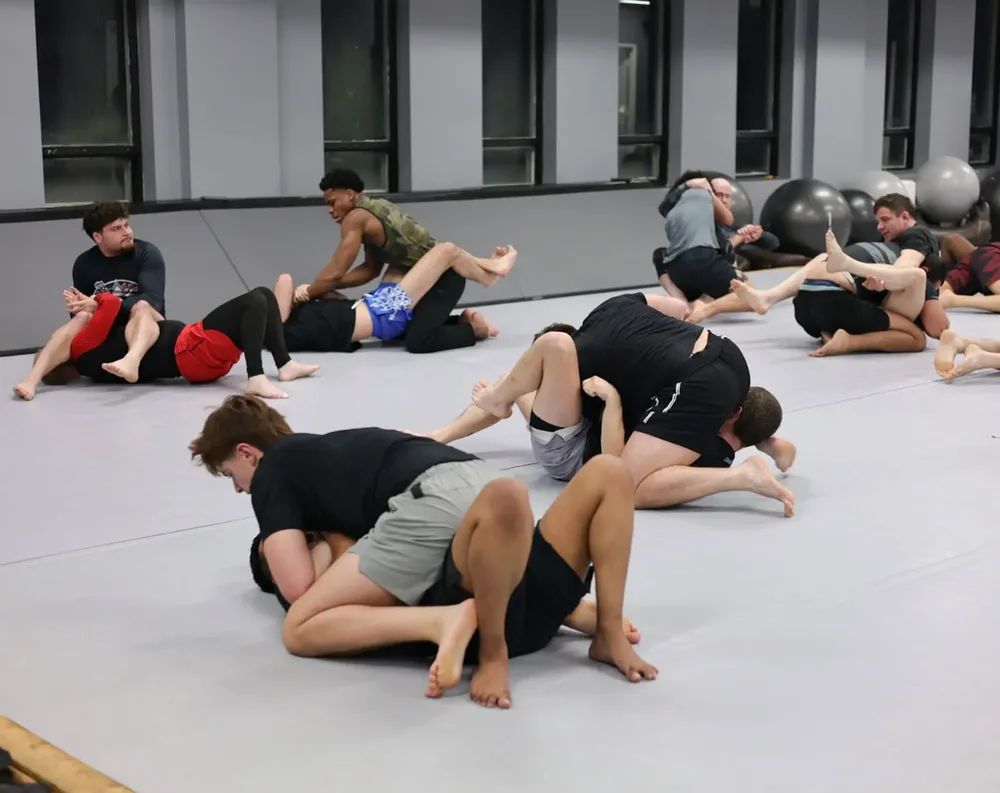
Adults start with us in their 20s through their 50s. Our Jiu-Jitsu and wrestling and boxing and kickboxing classes are all-levels, so beginners train alongside experienced members with coaching scaled to them. Live rolling starts when you're ready, never before, and striking sparring is optional and only opens up once you've built the technique to do it safely. We have locker rooms and a shower on site, so a 6:30 AM class before work is easy.
If you're not sure which program fits, what to expect at your first BJJ class and what to expect at your first boxing class walk through day one.
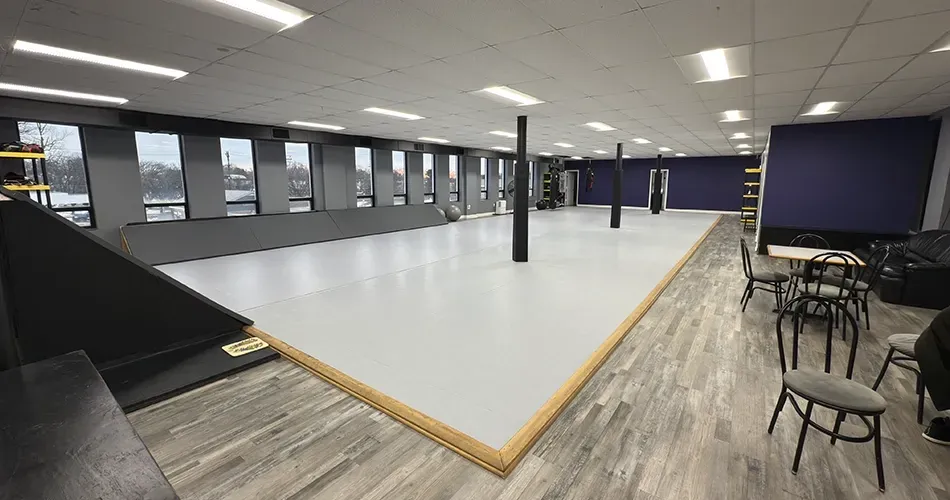
We're at 5408 Randolph Road in Rockville, second floor, with free parking out front. Adults come from all over Montgomery County — see adult martial arts near North Bethesda, Potomac, Cabin John, or Glen Echo for directions and drive times.
Your first class is free. The best time to start was ten years ago. The second-best time is this week.
The Bottom Line
Starting martial arts at 30, 40, or 50 isn't just possible — it's one of the best decisions an adult can make for their body, their stress, and their confidence.
You'll need to train smarter than a 20-year-old: start with two classes a week, tap early, choose good partners, and take recovery seriously. In exchange, you'll bring patience, consistency, and understanding that young athletes rarely have.
The people who regret starting late are almost always outnumbered by the people who regret never starting at all.
Frequently Asked Questions
Is 40 too old to start martial arts?
No. Many people start martial arts in their 40s and train for decades. At 40, you'll need more recovery than a younger beginner, so two to three classes a week is ideal at first. Arts like Jiu-Jitsu reward technique over athleticism, which makes them especially well suited to adult beginners.
Is 50 too old to start BJJ?
No. Many people start Brazilian Jiu-Jitsu at 50 and beyond. Focus on technique and drilling, ease into live rolling with calm partners, tap early, and build recovery into your week. Check with your doctor first if you have heart or significant joint conditions.
What is the best martial art to start at 40?
Brazilian Jiu-Jitsu is a popular choice because it's low-impact, involves no strikes, and rewards technique over athleticism. Boxing and kickboxing are excellent for conditioning when sparring is optional. The best choice depends on your goals, and coaching quality matters more than the style.
Can you get a black belt if you start martial arts at 40?
Yes. A Jiu-Jitsu black belt typically takes around ten years of consistent training, so someone starting at 40 can realistically earn one in their early 50s. Many people have done it. Consistency over years matters far more than starting age.
How do older beginners avoid injury in martial arts?
Start at two classes a week, tap early, choose calm training partners, warm up properly, and tell your coach about old injuries. Prioritize sleep and add mobility work like yoga. Most injuries among adult beginners come from ramping up too fast or training with too much ego.