The Short Answer
Whether after-school martial arts programs are better than daycare depends on what you need those afternoon hours to do — and on which kind of program you're comparing.
"After-school martial arts" means two very different things:
- Full after-school programs, where a martial arts school picks kids up from school (or receives them), supervises homework, runs training, and keeps them until a parent arrives in the early evening. These genuinely replace daycare.
- After-school classes, where your child trains for about an hour a few afternoons or evenings a week. These add structure and activity to whatever care arrangement you already have. They don't replace it.
For many kids, a well-run program of either kind beats a generic afternoon of supervised waiting: more movement, more structure, and a real skill to get better at. But neither is automatically better than good child care. Quality decides — and so does fit.
The Two Kinds of After-School Martial Arts
| Full Program | Classes | |
|---|---|---|
| Replaces child care? | Yes | No |
| Hours | School dismissal until early evening | About an hour, a few days a week |
| School pickup | Often included | No |
| Homework time | Usually built in | No |
| Best for | Working parents who need coverage | Families who have care and want structure |
Neither is better in the abstract. A full program solves a logistics problem and a development problem at once. Classes solve only the development problem — but they let you pick your child care and your martial arts school separately, which often means getting a better version of each.
What Kids Actually Need From the Hours After School
Before comparing options, it helps to be clear about what those hours are for.
Movement. Federal physical activity guidelines recommend that children and teens ages 6 to 17 get at least 60 minutes of moderate-to-vigorous physical activity every day. After a school day spent mostly sitting, many kids get nowhere near that. The afternoon is the best chance to close the gap.
Decompression. School is demanding, socially and mentally. Kids need a way to burn off the day before they can settle into homework or dinner.
Structure without more school. Unstructured afternoons tend to drift toward screens. Structured afternoons that feel like more school tend to drift toward resentment. The sweet spot is structure that feels like play.
Something to be good at. For kids who struggle academically or socially, having one place where they're visibly improving matters enormously. We dug into the research behind that in how martial arts builds confidence in kids.
Where After-School Martial Arts Beats Generic Daycare
Activity is built in, not optional. In a typical aftercare room, physical activity depends on the day, the weather, and the staff. In a martial arts class, every child moves for the entire session.
Kids are coached, not just supervised. A good martial arts instructor is teaching, correcting, and encouraging specific children by name. That's a different relationship from an adult whose main job is keeping a room safe.
Progress is visible. Belts and skill milestones give kids a tangible sense of getting better — something generic aftercare rarely offers.
Behavior has clear expectations. Lining up, listening when the coach talks, controlling your body around a partner: martial arts classes run on explicit rules, and kids who struggle with self-control often thrive on that clarity. That's a big part of why it can help kids with attention challenges, which we covered in martial arts for kids with ADHD and anxiety.
A different social circle. Kids train with peers from other schools and grades, which can be a relief for children who are struggling socially at school.
Where Regular Child Care Wins
To be fair to daycare and aftercare:
Coverage. If you need supervision from 3:00 to 6:30 every weekday, a class a few times a week doesn't solve that. Only a full program or dedicated child care does.
Downtime. Not every child needs more structure. Some kids come out of school exhausted and genuinely need unstructured play or quiet time.
Homework support. Good aftercare programs often have dedicated homework help, while many martial arts programs treat homework time as supervised quiet time rather than tutoring.
Siblings and range. A single aftercare arrangement can cover children of very different ages and interests in one place.
Cost per hour. Hour for hour, general child care can be less expensive than a specialized program, though this varies widely.
Better Than Daycare? The Questions That Decide It
If you're comparing a full after-school martial arts program with daycare, ask:
- How much of the afternoon is actual training? Some programs train for an hour and supervise for three. Know the ratio.
- How does pickup from school work? Who drives, in what vehicles, and what happens if a child isn't at the pickup spot?
- Is the program licensed or registered as child care, and how is staff screened? Background checks should be non-negotiable.
- What's the staff-to-child ratio during training and during non-training time?
- What happens with homework? Supervised time, or real help?
If you're adding after-school classes to an existing arrangement, ask:
- Do the class times fit your week without rushing your child from one place to the next?
- Are kids grouped by age? A 6-year-old and a 13-year-old need different classes.
- Does every child participate the whole class, or is there a lot of standing in line?
- Can you watch? A school that welcomes parents is a school confident in what it does.
Our full checklist for evaluating any school is in how to choose a martial arts gym.
The Combination Many Families Land On
For working families, a common pattern is: school aftercare or a sitter until early evening, then martial arts class two or three times a week before dinner.
That combination often gives kids the best of both — downtime and homework in the afternoon, then a structured, physical hour that burns off the day. It also means a child who loses interest in martial arts doesn't take your entire child-care plan down with them.
Two classes a week is plenty for most kids to see real progress. Three is great for kids who love it. If you're weighing martial arts against a team sport for those slots, martial arts vs team sports for kids lays out the trade-offs.
Signs Your Child Would Thrive
After-school martial arts tends to be a great fit for kids who:
- Come home from school with energy to burn
- Have drifted toward screens every afternoon
- Struggle with confidence or self-control
- Haven't connected with team sports
- Do better with clear rules and a predictable routine
It may be less of a fit, at least for now, for kids who are genuinely exhausted after school and need quiet time — though even those kids often do well with a weekend class instead.
How It Works at Rising Tide
To be clear about what we offer: Rising Tide runs after-school classes, not an after-school care program. We don't provide school pickup, and our kids classes begin in the early evening, so they pair with whatever care arrangement your family already uses.
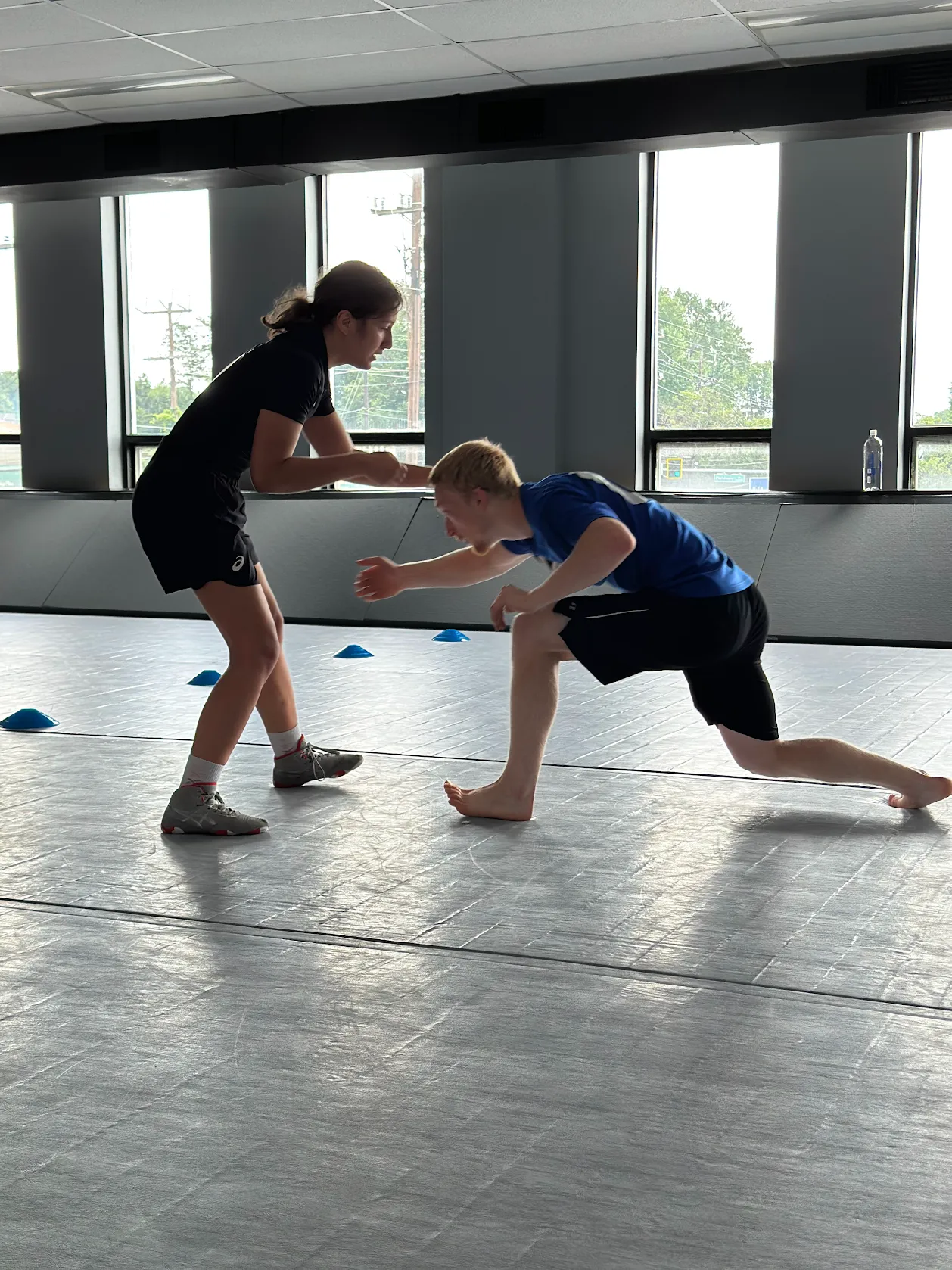
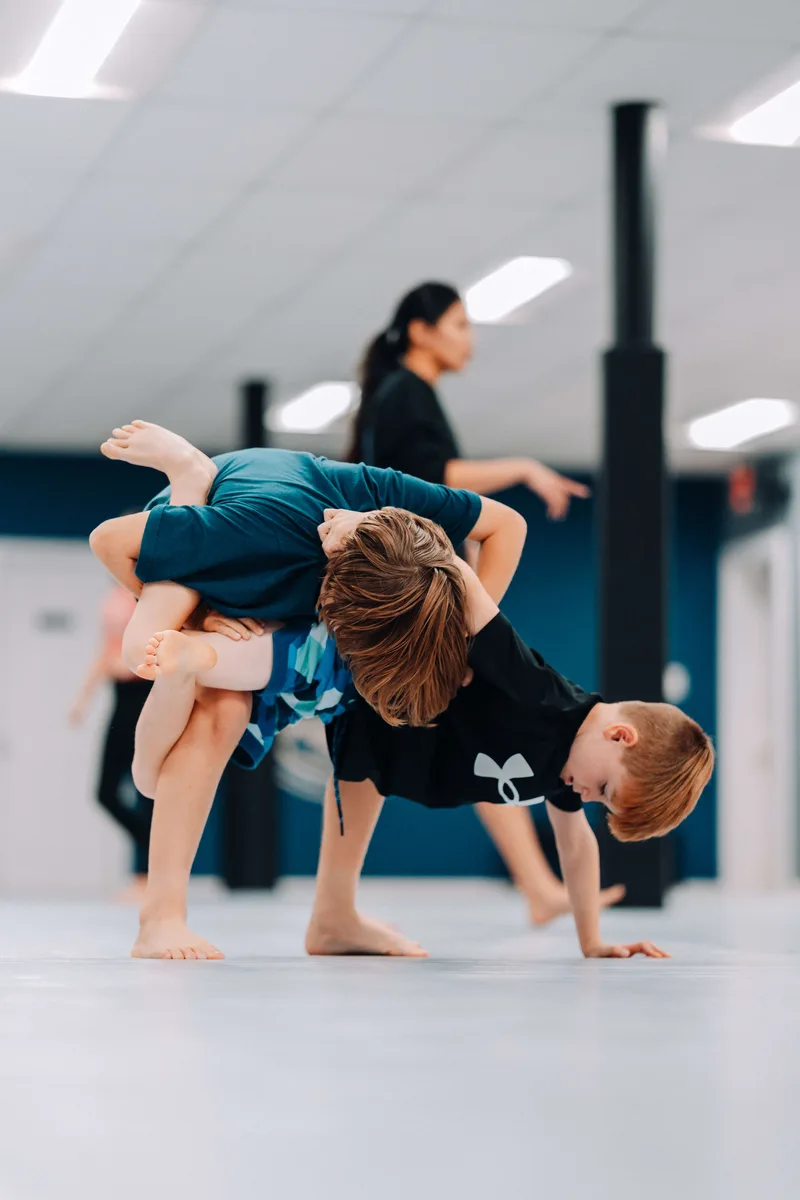
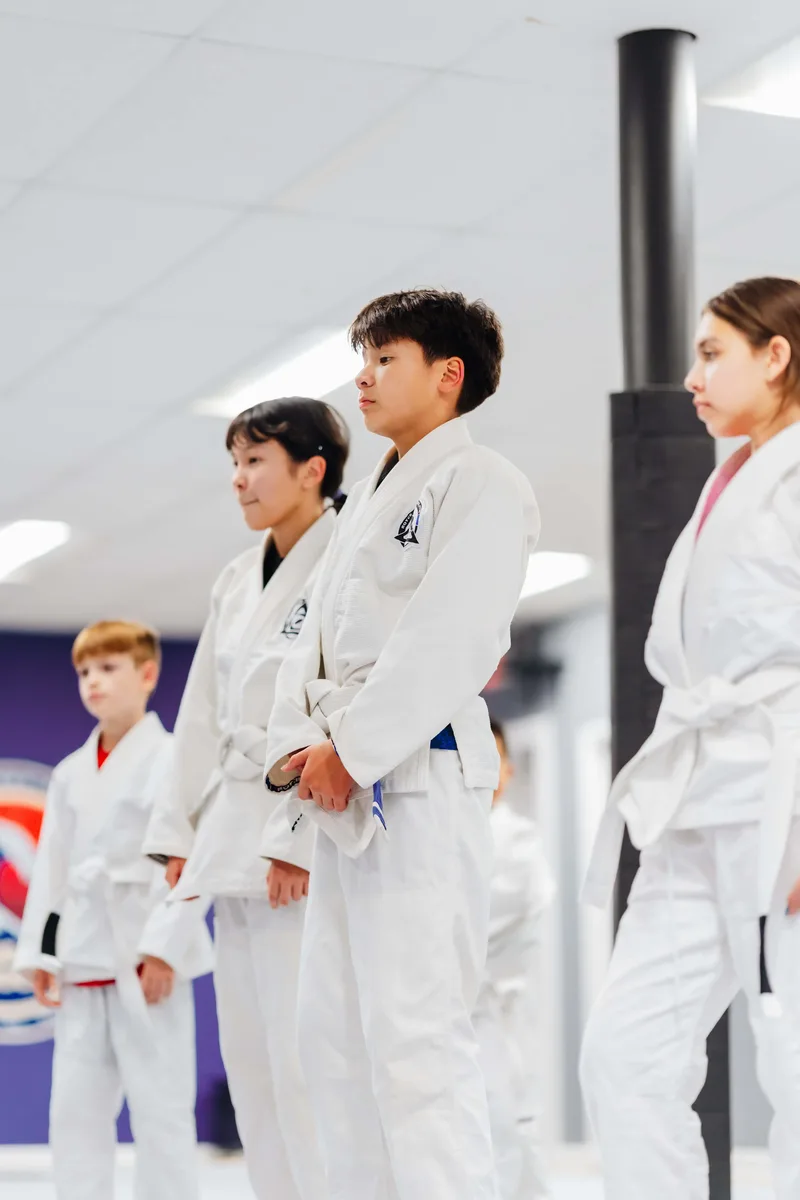
Our kids martial arts program teaches Jiu-Jitsu, wrestling, and kickboxing to kids ages 5 to 15, grouped by age. Kids Gi Jiu-Jitsu runs Monday, Tuesday, and Thursday at 5:30 PM. Kids Wrestling is Wednesday at 5:30, Kids Kickboxing is Wednesday and Friday at 6:30, Kids No-Gi Jiu-Jitsu runs Friday at 5:30, and Kids Comp Jiu-Jitsu is Saturday at 11:00 AM. Parents are welcome to stay and watch from our viewing area.
Getting ready for a first class is simple; what to wear to your first martial arts class covers it, and we lend gis to new students.
We're at 5408 Randolph Road in Rockville, second floor, with free parking right out front. Families come from across the county — see kids martial arts near Gaithersburg, kids martial arts near Kensington, or kids martial arts near Potomac for directions and drive times.
The first class is free.
The Bottom Line
After-school martial arts can absolutely be better than generic daycare — when it's a well-run program with real training time, good coaches, and safe logistics. For families who need full afternoon coverage, a quality full program solves two problems at once.
For families who already have child care, after-school classes are often the better choice: they add an hour of movement, structure, and visible progress a few times a week, without asking one place to do everything.
Either way, the question isn't really "martial arts or daycare." It's what your child needs from the hours after school, and which option delivers it best.
Frequently Asked Questions
Are after-school martial arts programs worth it?
For many families, yes. They combine supervision, physical activity, and skill-building in one place, and kids get coached rather than just watched. Their value depends on quality: how much of the afternoon is actual training, how pickup works, staff screening, and how well kids are grouped by age.
Is martial arts better than daycare?
It depends on what you need. A full after-school martial arts program can replace daycare and often offers more activity and structure. A martial arts class a few times a week doesn't replace child care, but it can be a great addition to it. Quality matters more than category.
How many days a week should kids do after-school martial arts?
Two classes a week is enough for most children to make steady progress and build confidence. Three works well for kids who love it. More than that is usually only necessary for kids who want to compete, and rest days still matter.
What age can kids start after-school martial arts?
Many programs start around age 5, with play-based classes for the youngest kids. Ages 5 to 7 focus on coordination and listening, while kids 8 and up can handle more structured technique. Readiness depends on the child's attention span and comfort with instructions.
Do after-school martial arts programs help with homework?
Some full programs include supervised homework time, but it varies widely — some offer real help, others just quiet time. Martial arts classes themselves don't include homework time, though many parents find kids focus better on homework after burning off energy in class.